
Moving into a new home or dealing with missing keys creates immediate security concerns. Instead of paying a locksmith $100+ or replacing your entire lock system, Kwikset SmartKey Security® technology lets you rekey your lock in under 30 seconds using just three essential items. This patented system has empowered homeowners to control their security for nearly 20 years without professional help. You’ll discover exactly how to rekey any Kwikset SmartKey lock model, avoid critical mistakes that jam your mechanism, and recognize when DIY rekeying isn’t possible. Whether you’re a new homeowner or need to revoke access after a tenant move-out, this guide delivers actionable steps to secure your property immediately.
Collect Your Kwikset Rekeying Kit Components
Before touching your lock, verify you have these three non-negotiable items. The current working key must operate your lock smoothly – without it, rekeying is impossible. Your SmartKey tool (the tiny T-shaped metal piece included in original packaging) is proprietary and irreplaceable with household objects. Finally, your new Kwikset-compatible key must match the KW1 or SC1 keyway standard; generic hardware store keys often fail.
Critical verification: Examine your lock faceplate for the SmartKey Security® symbol (a key inside a shield). This confirms compatibility with the rekeying process. If missing, you have an older non-SmartKey model requiring full replacement.
Position Your Lock for Safe Rekeying
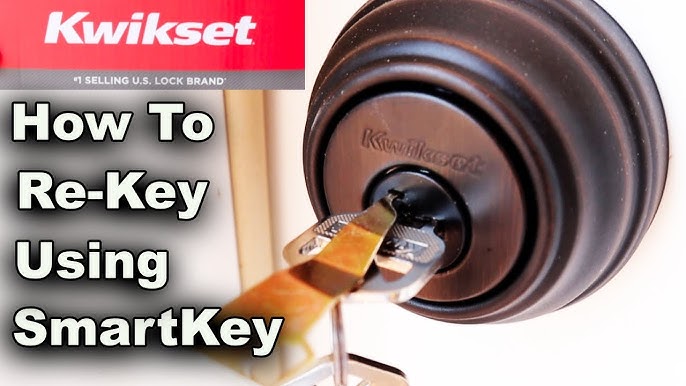
Improper positioning causes 70% of rekeying failures according to Kwikset’s technical team. Keep your door fully open and wedge it securely with a doorstop – attempting this with a closed door risks permanent lockout. For deadbolts, extend the bolt fully into the locked position; for knobs or levers, engage the locking mechanism completely. Visually inspect that all mounting screws are tight and the lock sits flush against the door edge. Any misalignment prevents proper cylinder engagement during rekeying.
Red flag alert: If your lock wobbles or the bolt doesn’t extend smoothly, address installation issues first. Rekeying a faulty lock compounds mechanical problems.
Insert and Rotate Your Current Key Correctly
Insert your existing key fully into the cylinder until it stops. Rotate exactly 90 degrees clockwise from vertical – this precise alignment activates programming mode. You’ll feel a distinct “click” as the cylinder disengages. The key should now point horizontally to the right.
Common failure point: Forcing the key beyond 90 degrees damages the internal pins. If resistance occurs, withdraw and reinsert the key – debris or misalignment may be blocking rotation. Never use pliers or excessive force.
Activate SmartKey Programming Mode
Locate the SmartKey hole just below the keyway (it’s a tiny 1/8-inch diameter port). Insert your SmartKey tool straight in until it bottoms out – you’ll hear a definitive click confirming engagement. Hold for 3 full seconds while applying firm pressure, then withdraw completely.
Tool insertion failure: If no click occurs, your key likely isn’t rotated precisely 90 degrees. Recheck position before retrying. Forcing the tool can bend internal components. The proprietary shape means paperclips or nails will destroy your lock – contact Kwikset support for replacements.
Swap Keys Without Disturbing the Cylinder
After removing the SmartKey tool, pull out the original key smoothly. The lock remains in programming mode for 30 seconds. Insert your new key fully until the blade edge touches the cylinder indent – slide it in straight without wiggling.
Critical error avoidance: Never push or pull the key during insertion. Lateral pressure misaligns the pins. If the key sticks, withdraw and clean both key and cylinder with compressed air before retrying.
Program Your New Key Through Exact Rotations
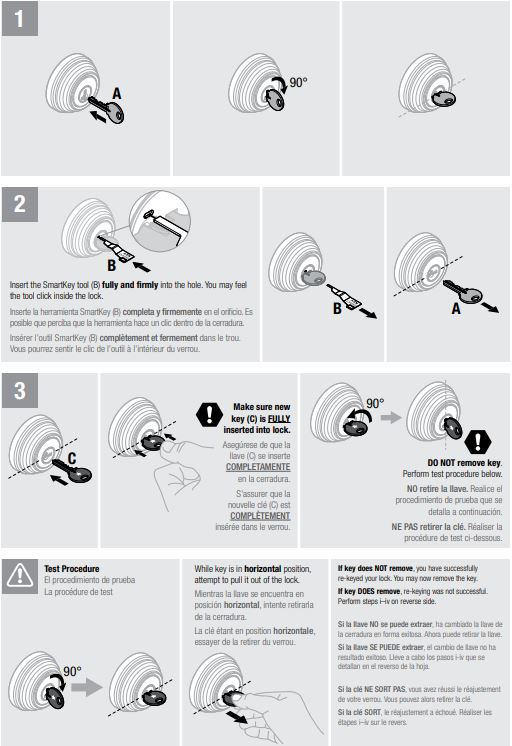
With the new key fully seated, execute this sequence without pauses:
1. Rotate 180° counter-clockwise (key points straight down)
2. Rotate 180° clockwise (key returns upright)
3. Gently pull upward to verify key locks in place
4. Rotate 90° counter-clockwise back to vertical position
Remove the key. The lock cylinder resets to operational mode. Rushing rotations or incomplete turns causes 95% of “failed rekey” scenarios per Kwikset’s service data.
Validate Security with Immediate Testing
Test before closing the door: Lock and unlock 5 times using only the new key. Confirm the old key no longer operates the lock – if it still works, debris likely blocked pin reset. For double-cylinder deadbolts, test both interior and exterior sides. Listen for grinding noises indicating misaligned pins. Smooth, silent operation confirms success.
Pro verification: Try inserting the old key – it should turn no more than 15 degrees. Any further rotation means repeating the entire process.
Why You Can’t Rekey Without Current Key or Tool
Lost Key Emergency Solutions
Kwikset’s security design requires your current working key to initiate rekeying – this prevents unauthorized access changes. If keys are lost, you have three options: contact your home builder (for new constructions), call a locksmith to drill out the cylinder, or reach Kwikset Support at 1-800-327-5625. Never attempt destructive methods like hammering keys; you’ll damage the entire lock assembly.
SmartKey Tool Replacement Protocol
The proprietary tool shape (tapered with dual engagement points) makes substitutions impossible. Replacement tools cost $5 through Kwikset’s website or authorized retailers like Home Depot. When ordering, specify your lock model – newer Halo Touch electronic locks use different tools than mechanical deadbolts.
Fix Stuck Keys and Non-Working Locks
Key Won’t Turn After Rekeying
This indicates keyway incompatibility or incomplete rotation. Verify your new key uses KW1 or SC1 keyway coding (standard Kwikset blanks). If using a copied key, ensure the locksmith used Kwikset-specification blanks. Re-attempt the process using your original key first to reset the cylinder.
Lock Feels Gritty or Stiff
Debris in the cylinder is the prime culprit. Blast the keyway with compressed air, then apply graphite powder lubricant (never oil-based products). If stiffness persists, check door alignment – a misaligned strike plate strains the bolt mechanism. Tighten loose mounting screws before rekeying again.
SmartKey Hole Won’t Accept the Tool
This occurs when the key isn’t rotated exactly 90°. Withdraw and reinsert the current key, rotating slowly until the distinct click confirms alignment. Inspect the hole for visible obstructions like paint splatter – use a toothpick to clear debris gently. Forcing the tool here will permanently jam your lock.
Rekey Multiple Locks to One Key System
Create Unified Home Access
Kwikset SmartKey Security® allows all compatible locks to work with a single key. Start with your most frequently used lock (usually the front door). After successfully rekeying it, use that new key to rekey all other SmartKey locks in sequence. Test each lock before moving to the next – a failed rekey on one lock won’t affect others.
Key control tip: After rekeying, immediately collect all old keys and physically bend them. This prevents accidental use that could jam the lock during transition.
Prevent Future Security Risks with Smart Maintenance
Post-Rekeying Lock Care
Apply dry graphite lubricant monthly to the keyway – oil attracts dust that causes sticking. Tighten mounting screws quarterly as doors settle. After each rekey, test operation weekly for 30 days to catch developing issues. Store your SmartKey tool in a fireproof safe, not with your keys.
Strategic Rekeying Schedule
Rekey immediately after any move-in or tenant turnover – this is non-negotiable for security. Do emergency rekeys within 24 hours of lost keys. For preventive maintenance, rekey every 3 years to refresh the cylinder pins. Electronic SmartKey models (Halo, Premis) require rekeying only when physical key access changes.
When to Call Kwikset Support Immediately
Contact Kwikset at 1-800-327-5625 if you encounter:
– Broken key fragments inside the cylinder (don’t attempt extraction)
– Complete lock failure after 3 rekeying attempts
– Electronic model errors (flashing lights, unresponsive touchscreen)
– Lost both keys AND SmartKey tool
Support advantage: Their technicians provide live video troubleshooting during business hours. For electronic locks, 24/7 support resolves coding issues that block rekeying. Mechanical lock failures under warranty get free replacements – keep your proof of purchase.
Rekeying your Kwikset SmartKey lock transforms your home security in less time than brewing coffee. By following these precise steps, you maintain ANSI Grade 1 security standards while eliminating locksmith costs. Always test new keys before relying on them, and store your SmartKey tool separately from keys. Remember: this system works because Kwikset’s bump-proof, pick-resistant design keeps your family safe – but only when used correctly. Keep this guide handy for your next security update, and never compromise on verified rekeying procedures.