Moving into a new home or losing your keys should trigger immediate security concerns—after all, you have no idea how many unauthorized copies of your Yale smart lock keys might exist. Previous owners, contractors, real estate agents, or even former roommates could potentially access your property. Instead of spending hundreds on full lock replacement, rekeying your Yale smart lock provides maximum security at a fraction of the cost while preserving your existing hardware. This guide delivers everything you need to know about rekeying your Yale smart lock yourself, including when to DIY versus call a professional, the exact steps to follow, and critical mistakes to avoid during the process.
Stop Worrying About Unauthorized Keys: When to Rekey Your Yale Smart Lock
New homeowners face the highest security risks with unknown key distribution. When purchasing a home, you can’t verify how many copies previous owners made or who might still have access—contractors, neighbors, or even former tenants could possess working keys. Even newly constructed homes require rekeying since multiple subcontractors typically retain keys throughout the building process.
Lost keys demand immediate action rather than hoping for the best. When a key goes missing, you have no way of knowing whether it was simply misplaced or deliberately stolen with malicious intent. Rekeying eliminates this uncertainty by ensuring only your new keys operate the lock, providing peace of mind that unauthorized individuals can’t gain entry.
Life transitions require security updates you can’t afford to delay. Roommates moving out, relationship changes, or service providers who previously had access all warrant immediate rekeying. The small investment in rekeying prevents potentially devastating consequences from unauthorized entry—protecting not just your property but your personal safety.
Save $100+ by Rekeying vs Replacing Your Yale Smart Lock
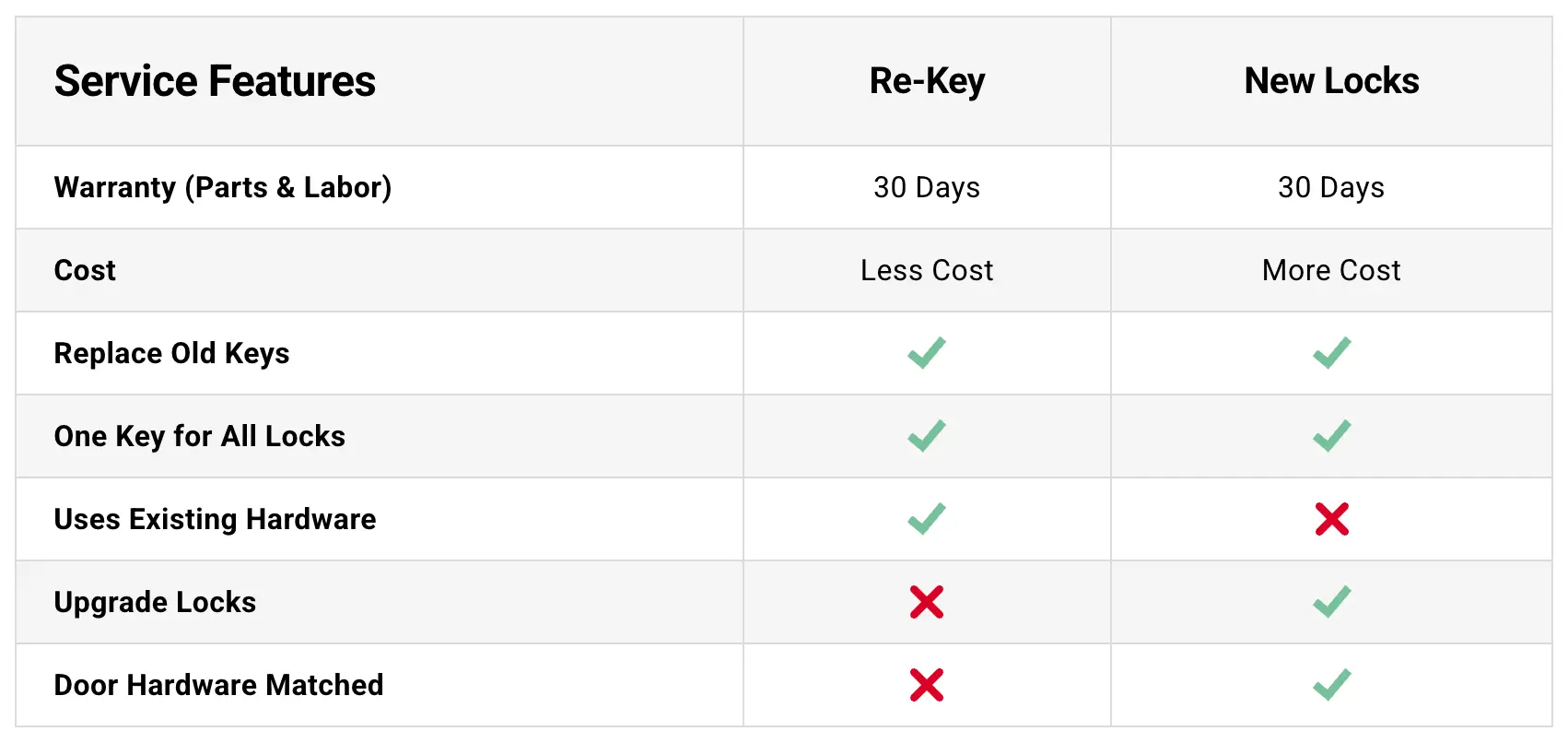
Keep your Yale smart lock hardware while updating security when your lock functions properly and matches your home’s aesthetic. Rekeying changes only the internal pin configuration to work with new keys, maintaining all your existing smart features while eliminating old key access. This approach costs significantly less than full replacement whether you DIY or hire professional help.
Only replace your Yale smart lock when upgrading technology or addressing mechanical failures. If your lock sticks, doesn’t engage properly, or you want newer smart features, replacement makes sense. However, for pure security concerns—like lost keys or new home ownership—rekeying solves the problem at 20-50% of replacement costs while preserving your current smart lock functionality.
Create single-key convenience across multiple doors by replacing mixed-brand locks with Yale models first, then rekeying them all to work with one key. Different lock brands can’t be rekeyed to use the same key, so standardizing on Yale before rekeying provides maximum convenience along with security.
What Professional Locksmiths Charge for Yale Smart Lock Rekeying
Service call fees add up quickly when locksmiths come to your home. Expect $40-$100 for the initial service call plus $10-$30 per Yale smart lock rekeyed. For a single lock, costs might reach $50-$130, but with multiple doors, professional rekeying can easily exceed $200-$500 for an entire home.
Save 50-75% by removing locks yourself and taking them to a locksmith shop. Without service call fees, rekeying typically costs just $5 per Yale smart lock when you bring the hardware to the professional. Always call multiple providers—prices vary significantly between locksmiths, and some hardware stores offer even lower rekeying services.
Verify Yale-specific expertise before handing over your smart lock. Not all locksmiths stock Yale-specific pins and tools, which could result in improper rekeying or multiple trips. Confirm they regularly service Yale locks to ensure proper pin sizing and compatibility with your specific model.
Essential Tools in Your Yale Smart Lock Rekeying Kit
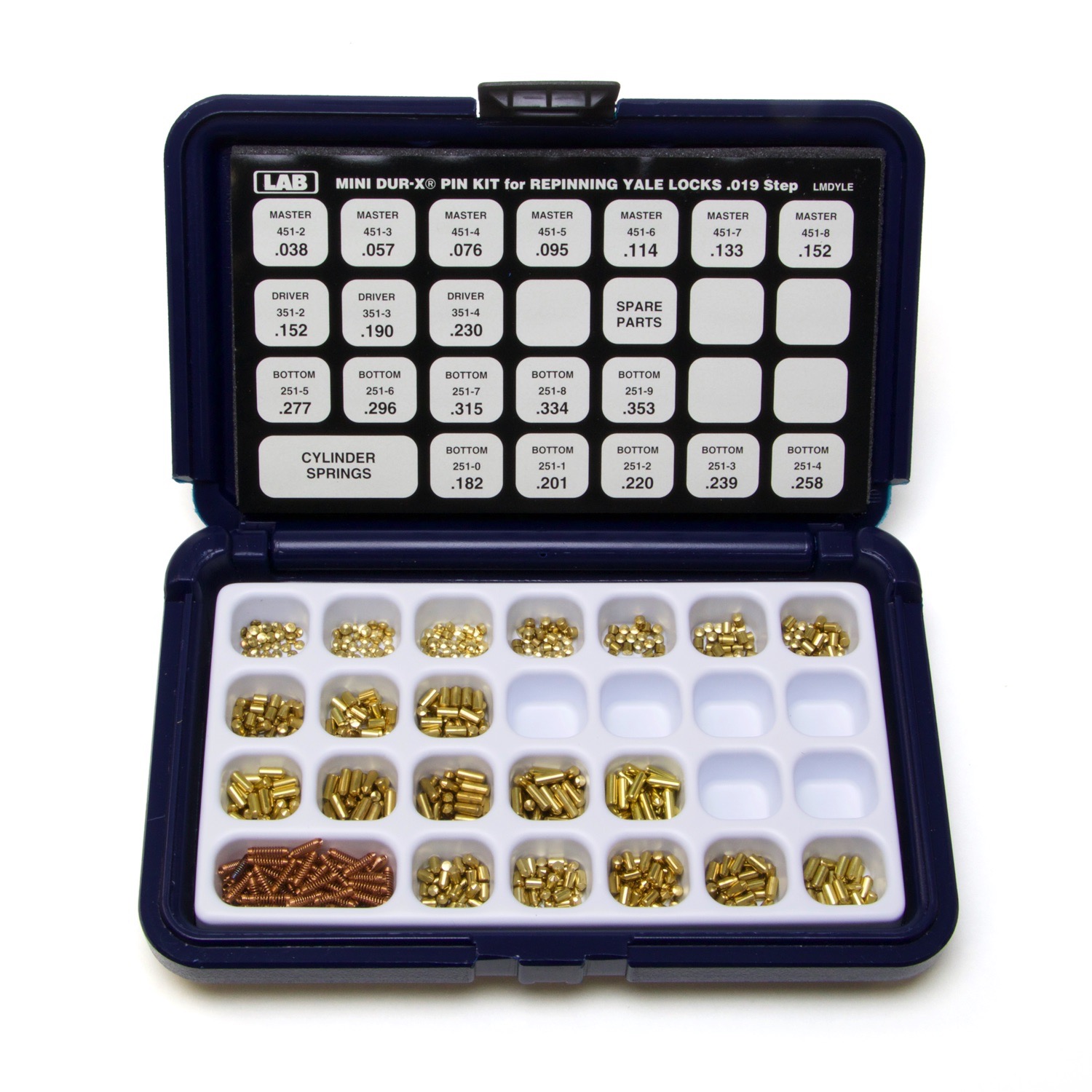
Yale-specific kits only work for your Yale smart lock—generic rekeying kits won’t fit Yale’s unique pin configurations. Expect to pay $12-$25 for a Yale-branded rekeying kit that handles up to five locks of the same model, making it extremely cost-effective for whole-home security updates.
Complete kit contents include everything needed for proper rekeying: Yale-specific replacement pins matching your new keys, specialized cylinder extraction tools, precision tweezers for pin placement, and model-specific instructions. Most kits provide multiple pin sets, allowing future rekeying without purchasing additional supplies.
6-Step Process to Rekey Your Yale Smart Lock Yourself
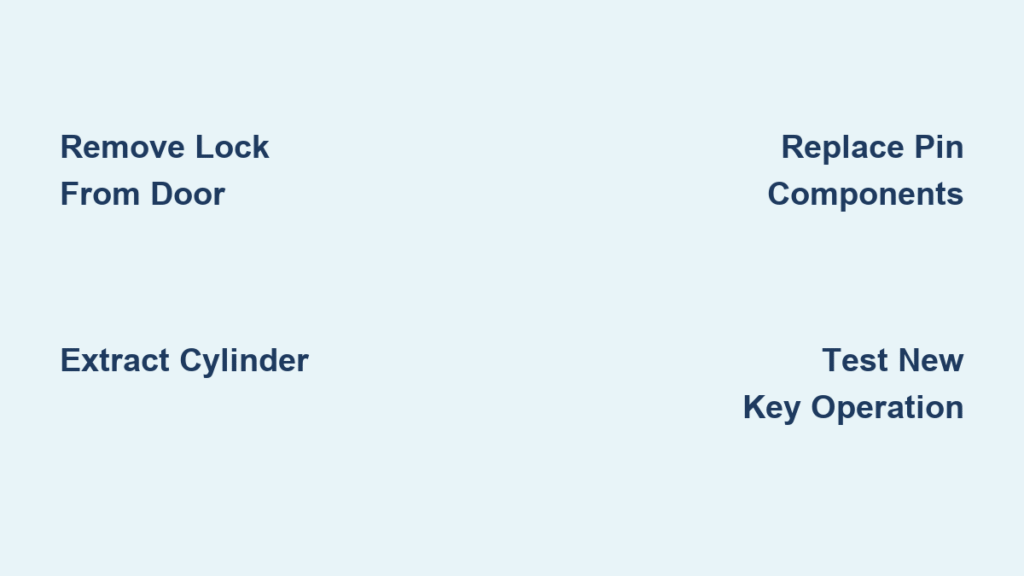
Remove Yale Smart Lock from Door Frame
Begin by completely removing your Yale smart lock from the door. Unscrew all mounting hardware on both interior and exterior sides, carefully separating the two halves while keeping track of small screws. Work over a towel to catch any tiny components that might fall out during disassembly.
Extract and Disassemble Lock Cylinder
Insert your current key into the lock cylinder and turn it approximately 45 degrees to release the cylinder from its housing. Remove the retaining clip or ring securing the cylinder, then gently slide the cylinder out of the lock body. This exposes the pin chambers where rekeying occurs.
Remove Old Pins and Springs
Using the specialized tool from your Yale kit, carefully remove each old pin from the cylinder chambers. Work methodically, keeping pins organized by chamber since they’re precisely sized for your previous key. Note the spring placement beneath each pin stack for proper reassembly.
Insert New Key for Pin Alignment
Place your new Yale key into the cylinder to establish the correct pin heights. The grooves on your new key determine where each pin must sit within the chamber. This step ensures proper alignment before installing replacement pins.
Install Replacement Pins with Precision
Using the tweezers from your kit, insert new pins into each chamber according to your new key’s specifications. Each pin must align perfectly with the shear line when your new key is inserted. Test each pin’s height by inserting the key and verifying smooth rotation without resistance.
Reassemble and Test Your Rekeyed Smart Lock
Reassemble your Yale smart lock in reverse order, ensuring all components are properly seated. Reinstall the lock on your door and test thoroughly with your new key—both locking and unlocking directions should operate smoothly without sticking. Verify that your smart features (app control, keypad) continue functioning normally after rekeying.
Critical Mistakes That Ruin Yale Smart Lock Rekeying (And How to Avoid Them)
Using incompatible rekeying kits guarantees failure. Yale-specific kits contain uniquely sized pins that won’t work with other brands. Never substitute Schlage or Kwikset kits, as mismatched pins will prevent proper lock operation regardless of key alignment.
Rushing pin alignment causes frustrating malfunctions. Each pin must sit precisely at the shear line when your new key is inserted. Pins positioned too high or low will prevent the cylinder from rotating. Take time to verify each pin’s height before reassembly—this single step prevents 90% of rekeying failures.
Losing small components halts the entire process. Yale locks contain tiny springs and pins that easily disappear. Work over a magnetic tray or light-colored towel, and keep spare tweezers nearby for retrieving escaped parts. Losing just one spring can render your lock inoperable until replaced.
Yale Smart Lock Rekeying Cost Breakdown: DIY vs Professional
| Method | Single Lock | Four Locks |
|---|---|---|
| DIY Yale Kit | $12-25 | $12-25 |
| Hardware Store | $5 each | $20 total |
| Mobile Locksmith | $50-130 | $200-520 |
DIY pays for itself immediately with just two locks. A single Yale rekeying kit handles up to five locks, making the per-lock cost just $2.50-$5 when rekeying multiple doors. For homeowners with four exterior doors, DIY saves $180-$500 compared to professional services.
Why Yale Smart Lock Rekeying Differs From Traditional Locks (It Doesn’t!)
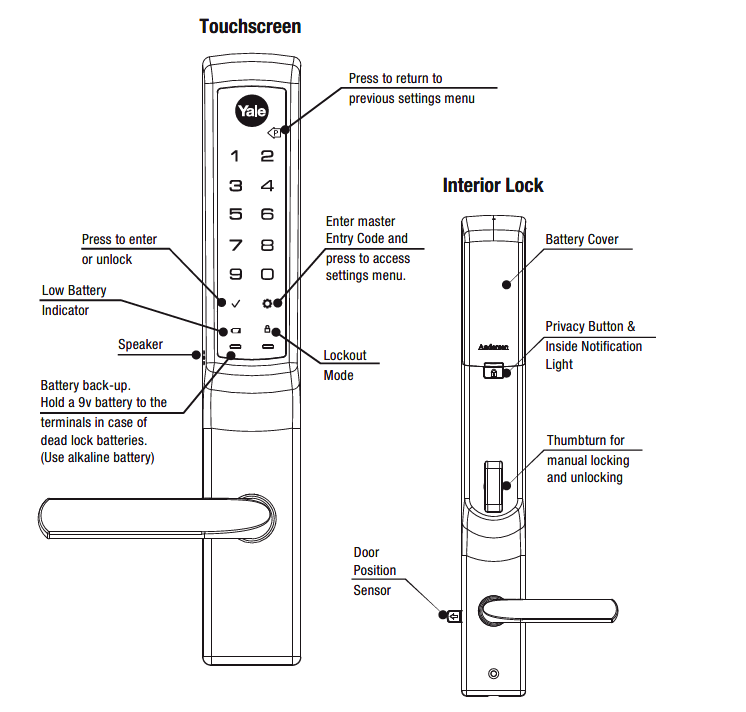
Smart functionality doesn’t affect mechanical rekeying since Yale smart locks use standard pin tumbler mechanisms for physical key operation. The electronic components reside in the exterior assembly, while the interior locking mechanism remains identical to traditional Yale locks—meaning your rekeying process stays exactly the same.
Key-free Yale models require different security updates. If your Yale lock uses only keypad or app entry without physical keys, changing access codes provides equivalent security to rekeying. However, most Yale smart locks include physical key entry as a backup, requiring standard rekeying procedures when security concerns arise.
Rekeying your Yale smart lock delivers immediate security enhancement without the expense of full replacement. By following these precise steps and avoiding common pitfalls, you’ll maintain your smart features while ensuring only authorized keys operate your lock. For most homeowners facing security concerns, DIY rekeying represents the perfect balance of cost savings, convenience, and peace of mind—keeping your home secure without breaking the bank.