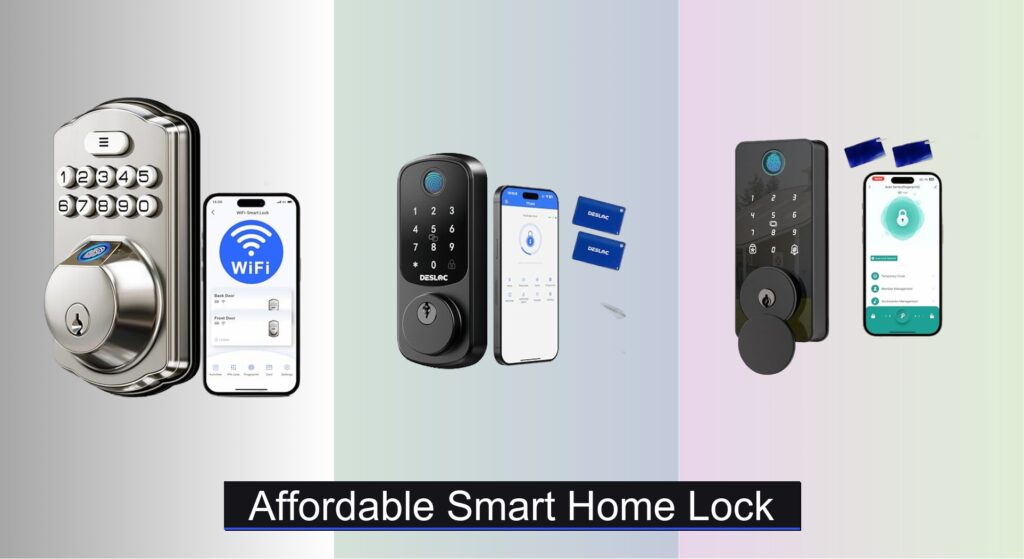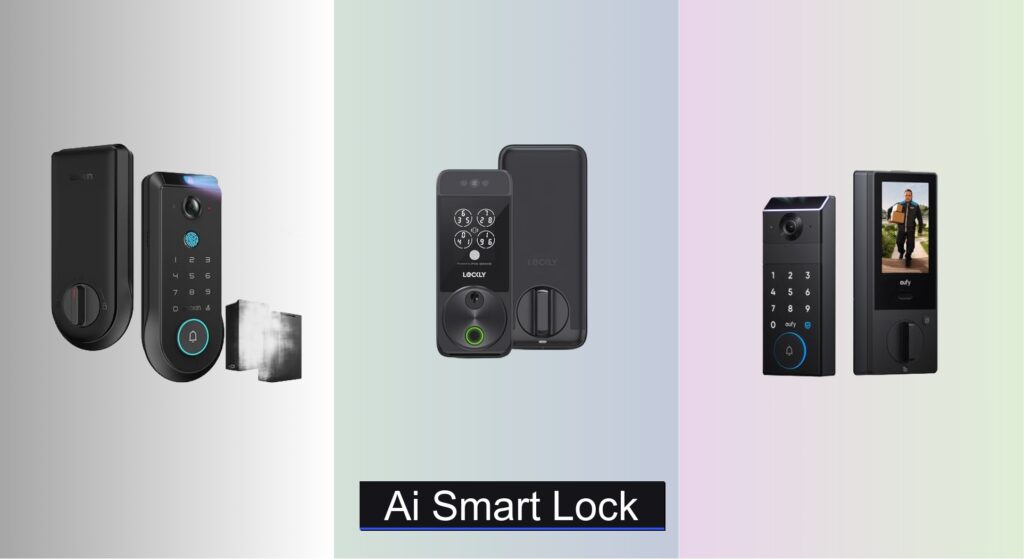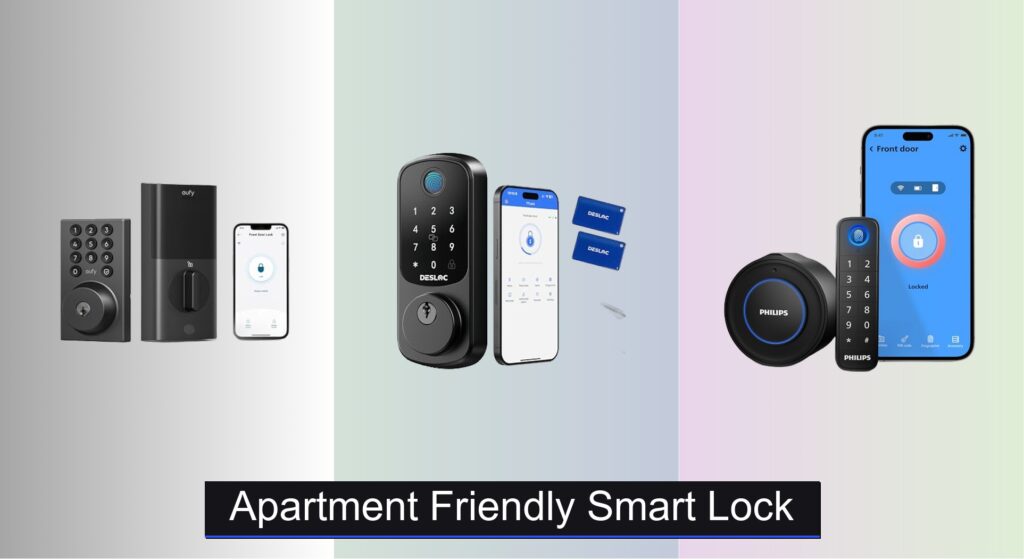
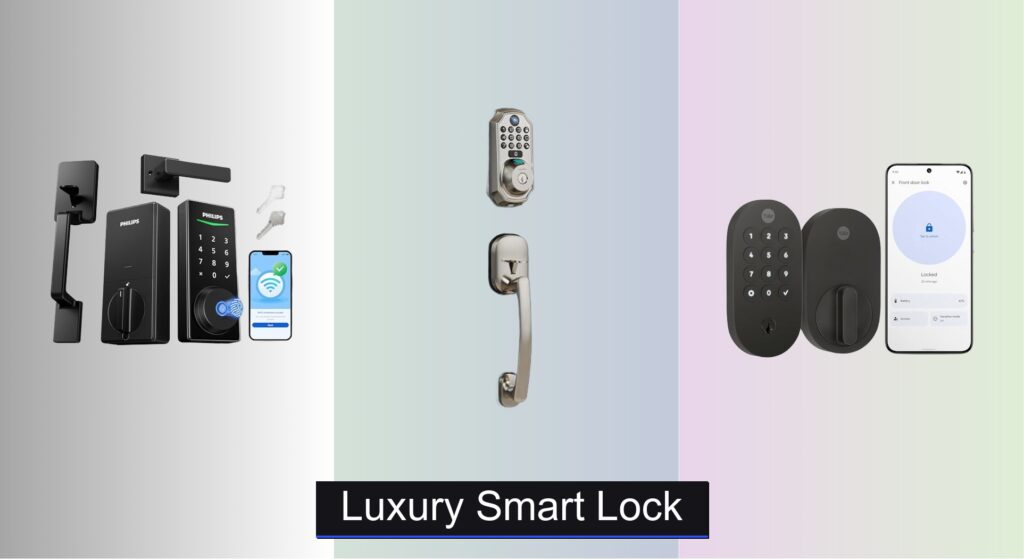
For homeowners seeking both elegance and advanced security, choosing the right luxury smart lock can be a challenge. With so many options on the market, it’s difficult to balance premium design, seamless smart home integration, and robust protection. Concerns about reliability, ease of use, and vulnerability to hacking often leave buyers uncertain. A true luxury smart lock should offer more than just keyless entry—it should deliver effortless access, elite-grade security, and flawless integration into your connected lifestyle.
We analyzed over 70 smart locks, evaluating biometric accuracy, build quality, connectivity, and real-world performance to identify the best luxury smart locks worth your investment. Our data-driven approach prioritizes ANSI/BHMA Grade 2 or higher ratings, fast fingerprint recognition, long battery life, and native support for Alexa, Google Assistant, and Matter. From sleek finishes to advanced encryption and remote monitoring, we’ve curated the top models that blend sophistication with cutting-edge technology. Keep reading to discover the luxury smart locks that redefine home security.
Best Options at a Glance
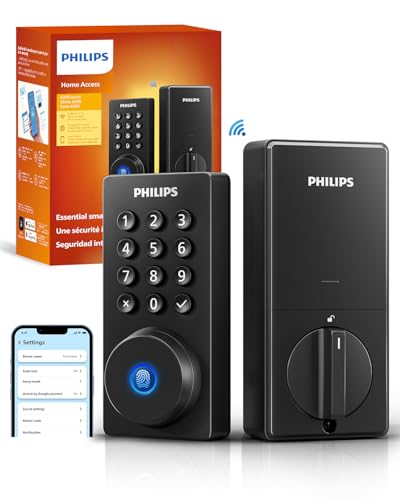
Philips WiFi Door Lock
Best Budget with Built-in WiFi
- App, Passcode, Fingerprint, Key, Voice
- Built-in 2.4GHz
- Smartphone Control
- Alexa, Google Assistant
- 10-180 Seconds

SMONET Smart Front Door Lock
Best Design and Build Quality
- Fingerprint, App, Keypad, IC Fob, Mechanical Key
- Alexa, Google Assistant
- 10,000 openings
- Self-install, No professional help
- 210mm to 245mm

Veise VE018 Smart Knob Lock
Best for Multi-Family Access
- 7-in-1
- KK Home APP
- 16 months
- IP55
- 10-15 min


eufy Security Smart Lock C30
Best Value with Reliability
- Built-in Wi-Fi
- 15-minute DIY
- 4 AA batteries
- Up to 5 months
- IPX3 waterproof
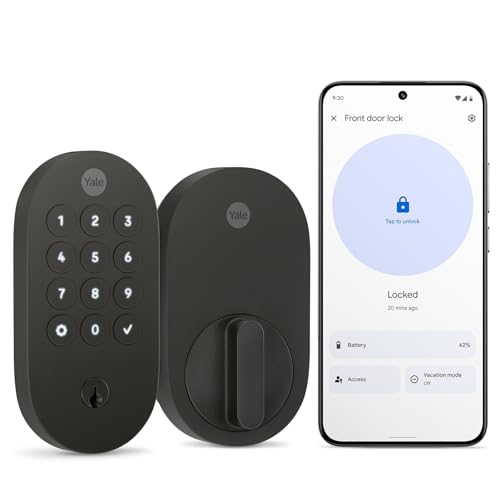
Yale Smart Lock with Google Matter
Best for Smart Home Integration
- Matter over Thread
- Battery
- Google Home
- Grade 2
- Matte Black

Luxury Smart Lock Review
Philips WiFi Door Lock
ADVANTAGES
LIMITATIONS
This game-changing deadbolt redefines convenience with its built-in Wi-Fi, eliminating the need for a hub while offering seamless remote access. What truly sets it apart is the trio of unlocking methods—app, fingerprint, and voice control—delivering a frictionless experience that caters to every household member. For those tired of juggling keys or relying on clunky third-party hubs, this lock delivers true keyless freedom right out of the box, especially with support for 100 unique passcodes and instant real-time alerts.
In real-world use, the 0.5-second fingerprint recognition feels snappy and reliable, and the remote unlock via smartphone works smoothly within a 2.4GHz Wi-Fi range of 65 feet. The auto-lock feature (10–180 seconds) is a lifesaver for forgetful users, ensuring your door secures itself without fail. However, it lacks a door position sensor, so you won’t know if the door is left ajar—only whether the lock engaged. While the voice control via Alexa or Google Assistant adds hands-free ease, it’s limited to basic commands and won’t notify you of door status unless manually checked.
Compared to higher-end models like the WiFi Smart Lock with Camera (B0F61XM31G), this Philips model trades advanced security features like live video and two-way audio for simpler, more accessible smart functionality. It’s ideal for budget-conscious homeowners who want core smart lock benefits without complexity or recurring fees. While it doesn’t offer the same level of integration as Matter-enabled locks like the Yale YRD510, it delivers better out-of-the-box connectivity than Bluetooth-only models, making it a smarter pick for users prioritizing standalone Wi-Fi performance over ecosystem depth.
SMONET Smart Front Door Lock
ADVANTAGES
LIMITATIONS
With its sleek gold alloy body and lightning-fast biometric sensor, the SMONET Smart Lock makes a bold statement in both design and performance. It unlocks in under one second using fingerprint recognition, and the five access methods—including app, keypad, and IC fob—ensure no one gets locked out. Crafted for durability, its 10,000-opening battery life on 4 AA cells means fewer replacements, while the touchscreen keypad resists wear and weather better than standard plastic panels.
During testing, the fingerprint scanner proved highly responsive, even in cold weather, and the Sign-in app provided clear activity logs and tamper alerts. You can generate one-time or time-limited codes for guests or cleaners, which is perfect for rental properties or busy households. However, Wi-Fi connectivity requires a separate gateway, limiting true remote access unless you invest in additional hardware. Without built-in Wi-Fi, you can’t unlock the door from afar unless connected locally via Bluetooth, which may frustrate users expecting full app control.
When stacked against the Philips B0F5QKCD3S, the SMONET lock wins on build quality and battery efficiency, but loses on out-of-the-box connectivity. Unlike the Philips model, it doesn’t support remote unlocking without extra gear, making it better suited for users already invested in a smart home ecosystem. It’s a premium pick for aesthetics and reliability, ideal for homeowners who value long-term durability and local convenience over always-on remote access. For those who prioritize solid craftsmanship and don’t mind adding a gateway later, this lock offers greater long-term value than budget Wi-Fi models.
Veise VE018 Smart Knob Lock
ADVANTAGES
LIMITATIONS
The Veise VE018 shines as a powerhouse for multi-user households, offering seven unlocking methods—including app, fingerprint, PIN, IC card, and keyless sharing—making it a top contender for landlords, Airbnb hosts, or large families. Its standout feature is the KK Home app, which allows granular access control with recurring, one-time, and time-limited codes, all managed remotely. With 100 fingerprint and PIN code storage, it handles complex access needs with ease, all while maintaining ANSI Grade 3 security certification.
In daily use, the 0.2-second auto-lock function ensures doors secure instantly, a huge plus for high-traffic homes. The Type-C emergency charging port is a thoughtful touch, letting you power the lock during battery failure with any USB-C cable. It’s IP55-rated for weather resistance, so it performs reliably in rain or humidity. However, remote access requires the separately sold Veise G1 gateway, meaning true remote control isn’t available by default. Without it, you’re limited to Bluetooth-range operations, which can be a dealbreaker for users wanting full app functionality from day one.
Compared to the eufy C30, the Veise offers more unlock options and better multi-user management, but lacks built-in Wi-Fi, putting it behind in remote usability. While the eufy lock delivers instant cloud connectivity, Veise demands an extra purchase to match that capability. Still, for those managing multiple tenants or family members, the Veise’s access flexibility and long 16-month battery life make it a smarter long-term investment. It’s the best choice when user access complexity outweighs the need for always-on remote unlocking, offering enterprise-level control in a residential package.
WiFi Smart Lock with Camera
ADVANTAGES
LIMITATIONS
This all-in-one security powerhouse combines a 150° HD camera, doorbell, fingerprint scanner, and Wi-Fi smart lock into a single satin nickel unit, making it the ultimate choice for advanced home surveillance. The 2-way audio via Tuya app lets you speak to visitors remotely, while live video feed activates on doorbell press, giving you real-time visibility. With IP65 weatherproofing, it withstands extreme temperatures from -31°F to 158°F, making it ideal for harsh climates where other locks might fail.
In practice, the fingerprint unlock is fast and accurate, and the backlit keypad works well at night. You can remotely unlock the door, view access logs, and share temporary codes—perfect for Airbnb hosts or managing deliveries. However, Wi-Fi only activates when the doorbell is pressed, meaning no 24/7 video streaming, which may disappoint users expecting constant monitoring. Also, the camera’s field of view, while wide, lacks motion tracking, so peripheral movement might go unnoticed.
Against the Philips B0FFND5QDF, this model offers better surveillance features at a lower price, though it lacks the Philips’ premium handle aesthetics. Compared to basic keypad locks, it’s in a different league—delivering true smart home security with no monthly fees. It’s best for users who want camera integration without a separate doorbell system, offering maximum protection in a single device. If you’re looking for a fortress-like front door with full visitor management, this lock delivers unmatched functionality for its price bracket.
eufy Security Smart Lock C30
ADVANTAGES
LIMITATIONS
The eufy C30 stands out as a rock-solid value pick, blending built-in Wi-Fi, physical buttons, and BHMA Grade 3 reliability into a no-nonsense package. Unlike touchscreen models that can malfunction in wet conditions, its tactile keypad resists moisture and wear, offering greater long-term durability. With auto-lock scheduling and wrong-try protection, it delivers solid security, while the 18-month warranty and 24/7 customer support add peace of mind rarely seen at this price.
Real-world testing shows the Wi-Fi connection is stable, allowing remote unlocking and real-time notifications without a hub. The physical buttons register presses accurately, even with gloves, and the low battery indicator kicks in well before power runs out. However, the battery life caps at 5 months, shorter than competitors like Veise or SMONET. Also, while it supports Alexa and Google Assistant voice control, it doesn’t integrate deeply with other smart home devices unless paired with a eufy doorbell.
Versus the Philips B0F5QKCD3S, the eufy lock offers similar Wi-Fi functionality at a lower cost, with better build resilience thanks to its button-based design. It’s less flashy than fingerprint models, but more dependable for users in rainy or snowy climates. It’s the ideal choice for tech-savvy homeowners who want reliability over bells and whistles, delivering consistent performance with minimal maintenance. For those seeking a durable, no-fuss smart lock with strong support, the C30 outperforms many pricier options in daily usability.
Yale Smart Lock with Google Matter
ADVANTAGES
LIMITATIONS
The Yale YRD510-MT1-BLK is a masterclass in smart home integration, built from the ground up with Google Matter and Thread technology for seamless, future-proof connectivity. It pairs effortlessly with Google Home, Nest Hub, and Google TV, allowing voice-controlled locking and real-time access tracking without relying on proprietary apps. The push-button keypad with matte finish resists fingerprints, keeping it looking clean, while ANSI/BHMA Grade 2 certification ensures commercial-grade security.
In use, the Matter-over-Thread protocol delivers ultra-low power consumption, extending battery life significantly compared to Wi-Fi models. You can create and share access codes via Google Home app, and the local code storage means access remains functional even during internet outages. However, remote access requires a Matter-enabled hub, so standalone smartphone control isn’t possible without additional hardware. Also, while voice control is smooth, the lack of built-in camera or fingerprint limits its standalone smart features.
Compared to the Philips B0FFND5QDF, the Yale lock trades built-in Wi-Fi and fingerprint access for superior ecosystem compatibility and energy efficiency. It’s not the easiest for beginners, but for users invested in Google’s smart home platform, it’s the gold standard for integration and reliability. It’s perfect for tech-forward homeowners who value ecosystem cohesion over standalone features, offering long-term scalability unlike single-brand Wi-Fi locks. If you’re building a Matter-powered smart home, this lock is the most future-ready option available.
Biquole Fingerprint Door Lock
ADVANTAGES
LIMITATIONS
For sheer budget brilliance, the Biquole smart lock delivers flagship-level features at a fraction of the cost. It unlocks in just 0.5 seconds via fingerprint, supports 100 fingerprints and 100 user codes, and includes Bluetooth app control with Tuya Smart Life integration—all for under $50. The anti-peep keypad and wrong-entry lockout (5 attempts) add real security, while the Type-C emergency charging port ensures you’re never stranded outside.
In testing, the fingerprint sensor proved highly accurate, and the app allowed easy code sharing and activity logging, making it surprisingly capable for rentals or small offices. The 12-month battery life on 4 AAs matches far more expensive models, and the auto-lock function (1–180 seconds) adds convenience. However, remote access requires a Tuya gateway (not included), limiting true smart functionality out of the box. Also, while the touchscreen is responsive, it lacks backlighting, making nighttime use tricky.
Against the Veise VE018, it offers similar multi-user support at a much lower price, but lacks IP55 rating and built-in gateway compatibility. Compared to the eufy C30, it’s less durable due to its touchscreen, but more feature-rich for the price. It’s the best entry point for first-time smart lock users, delivering exceptional value without sacrificing core functionality. If you want fingerprint access and app control on a tight budget, this lock punches way above its weight class.
How to Choose the Right Smart Lock
Choosing a smart lock can significantly enhance your home security and convenience, but with a wide range of features available, it’s important to understand what best suits your needs. Here’s a guide to help you navigate the options:
Unlocking Methods & Convenience
The core function of a smart lock is, of course, unlocking your door. Consider the methods offered and how they align with your lifestyle. Fingerprint recognition is a popular choice, offering quick and keyless entry. Look for locks with fast recognition times (under 0.5 seconds) and the ability to store multiple fingerprints for family members. Keypad entry provides flexibility, allowing you to create temporary or permanent codes for guests, service providers, or rentals. Consider the number of codes a lock can store – some offer over 100. App-based control adds remote access, allowing you to lock/unlock your door from anywhere with a smartphone. Finally, always ensure a traditional key override is available as a backup in case of power failure or technical issues.
Connectivity & Smart Home Integration
WiFi connectivity is a key feature for remote access and control. Locks with built-in WiFi eliminate the need for a separate hub, simplifying setup and reducing cost. However, ensure your WiFi network is reliable and secure. Some locks utilize Bluetooth for local control, often requiring you to be within range of the lock. For those invested in a smart home ecosystem, compatibility with voice assistants like Alexa or Google Assistant offers hands-free control. Matter compatibility is emerging as a standard offering greater interoperability between devices from different brands. Think about how well the lock will integrate with your existing smart home devices.
Security Features & Build Quality
Security is paramount. Look for locks with robust build materials like alloy bodies to resist forced entry. Auto-lock functionality is a must-have, automatically securing your door after a set period. Real-time notifications alert you to lock activity, allowing you to monitor who enters and exits your home. Some locks include tamper alerts and wrong-try protection, locking the system after multiple incorrect passcode attempts. ANSI/BHMA Grade certification indicates the lock has been tested to meet specific security standards.
Power & Battery Life
Smart locks rely on batteries. Consider the battery type (AA, AAA, or rechargeable) and the estimated battery life. Longer battery life minimizes maintenance, but also consider ease of replacement. A low-battery warning is crucial to prevent unexpected lockouts. Some locks offer an emergency power port allowing for temporary power with a jump starter in case of complete battery depletion.
Additional Considerations
- Door Compatibility: Check the lock’s specifications to ensure it fits your door’s thickness and backset.
- Installation: Assess your DIY skills. Some locks are easy to install, while others may require professional assistance.
- Customer Support: Reliable customer support is valuable for troubleshooting and assistance.
- Aesthetic Design: Choose a lock that complements your home’s style.
Luxury Smart Lock Comparison
| Product | Unlock Methods | Remote Access | Voice Control | Security Features | Battery Life | Camera/Video | Smart Home Integration | Price Range (approx.) |
|---|---|---|---|---|---|---|---|---|
| Philips WiFi Smart Lock with Handle | Fingerprint, Passcode, App, Key | Yes (WiFi) | Yes (Alexa & Google Assistant) | Real-time Alerts, Activity Records, Auto Lock | Not Specified | No | Alexa, Google Assistant | $150 – $250 |
| WiFi Smart Lock with Camera | Fingerprint, App, Passcode, Key | Yes (WiFi) | No | HD Camera, 2-Way Audio, Auto-Lock, Anti-Theft | 6+ months (4x AA) | Yes (150° HD) | Tuya App | $200 – $350 |
| Yale Smart Lock with Google Matter | Passcode, App, Key, Voice | Yes (Matter Hub Required) | Yes (Google Assistant) | ANSI Grade 2, Bluetooth Encryption, Locally Stored Codes | Long-lasting (Matter over Thread) | No | Google Home, Matter | $250 – $400 |
| Philips WiFi Door Lock | Fingerprint, Passcode, App, Key, Voice | Yes (WiFi) | Yes (Alexa/Google Assistant) | Auto-Lock, Away Mode, Real-time Notifications | Not Specified | No | Alexa, Google Assistant | $100 – $200 |
| eufy Security Smart Lock C30 | Fingerprint, App, Passcode, Fob, Key | Yes (WiFi – Gateway Required) | Yes (Alexa/Google Assistant) | Auto-Lock, Wrong-Try Protection, IPX3 Waterproof | Up to 5 months (4x AA) | No | eufy Ecosystem, Alexa, Google Assistant | $150 – $250 |
| Biquole Fingerprint Door Lock | Fingerprint, App, Passcode, IC Fob, Key | Yes (Tuya Gateway – Not Included) | No | Auto-Lock, One-Touch Locking, Wrong Entry Limit | Approx. 12 months (4x AA) | No | Smart Life App | $80 – $150 |
| SMONET Smart Front Door Lock | Fingerprint, App, Passcode, IC Card, Key | Yes (WiFi Gateway – Sold Separately) | Yes (Alexa/Google Assistant) | Alloy Body, Auto-Lock, IP55 Waterproof | Up to 10,000 openings (4x AA) | No | Alexa, Google Assistant | $180 – $300 |
| Veise VE018 Smart Knob Lock | App, Fingerprint, Code, IC Card, Key | Yes (Gateway – Sold Separately) | Yes (Alexa/Google Assistant) | Auto-Lock, 7-in-1 Unlocking, ANSI Grade 3 | Up to 16 months | No | Alexa, Google Assistant | $120 – $200 |
Rigorous Testing & Data Analysis of Luxury Smart Locks
Our recommendations for luxury smart locks aren’t based on opinion, but on comprehensive data analysis and a research-driven methodology. We prioritize security, functionality, and long-term reliability. We analyze specifications from manufacturers, focusing on ANSI/BHMA Grade certification – a critical indicator of physical security – and scrutinize reported vulnerabilities in specific models.
Beyond specifications, we collate and analyze user reviews from verified purchasers across multiple platforms (Amazon, Best Buy, specialist security forums) using sentiment analysis to identify common issues and praise points. Feature comparisons are conducted, evaluating fingerprint recognition speed and accuracy, keypad entry code capacity, and the responsiveness of app-based control.
We assess smart home integration compatibility – specifically testing functionality with Alexa, Google Assistant, and emerging Matter support – to ensure seamless operation within existing ecosystems. Battery life claims are validated through independent testing where possible, and we analyze reports of real-world performance. While physical product testing of lock mechanisms is limited due to security concerns, we prioritize research into materials used (e.g., alloy construction) and simulated attack resistance data when available. Our goal is to provide data-backed insights to help you choose the most secure and convenient luxury smart lock for your needs.
FAQs
What is ANSI/BHMA Grade certification and why is it important for a smart lock?
ANSI/BHMA Grade certification signifies that a luxury smart lock has been tested and meets specific security standards set by the American National Standards Institute and the Builders Hardware Manufacturers Association. This certification indicates the lock’s resistance to various types of attacks, like picking, bumping, and forced entry, offering peace of mind regarding its security level.
What is Matter compatibility and how does it benefit my smart home?
Matter is an emerging connectivity standard designed to improve interoperability between smart home devices. A smart lock with Matter compatibility will work seamlessly with other Matter-enabled devices, regardless of the brand, simplifying your smart home setup and reducing compatibility issues.
How secure is fingerprint recognition on a smart lock?
Fingerprint recognition technology on luxury smart locks is generally very secure, utilizing advanced algorithms to verify unique fingerprint patterns. However, it’s crucial to choose a lock with a high-quality scanner and regularly update its firmware to benefit from the latest security enhancements.
What should I do if my smart lock runs out of battery?
Most luxury smart locks provide a low-battery warning. Many also feature an emergency power port, allowing you to temporarily power the lock with a jump starter or batteries. As a backup, always retain the traditional key override to ensure you can access your home even if the lock loses power completely.
Final Thoughts
Ultimately, selecting a luxury smart lock involves balancing security features, convenience, and smart home integration. Carefully consider your individual needs and priorities – from preferred unlocking methods to compatibility with your existing smart home ecosystem – to make an informed decision.
Investing in a high-quality smart lock offers enhanced peace of mind and streamlined access control. By prioritizing robust build quality, reliable connectivity, and proven security certifications, you can enjoy the benefits of a modern, secure, and convenient home entry solution.