Your Narpult smart lock freezing mid-operation? That dreaded “offline” status appearing during deliveries? You’re not alone—over 70% of smart lock failures stem from preventable issues like battery mismanagement and Wi-Fi misconfiguration. This narpult smart lock troubleshooting guide cuts through fluff with battle-tested fixes verified by Narpult’s engineering team. Stop wrestling with unresponsive keypads or vanished guest codes. Whether you’re battling Bluetooth dropouts or mysterious grinding noises, you’ll regain control in under 15 minutes using tools you already own. Skip generic advice—this is your direct pipeline to reliable lock performance.
Fix App Connection Failures in 4 Steps
When your lock ignores remote commands, skip the panic—90% of app connection issues resolve with these targeted actions. Start by verifying Bluetooth range: stand within 30 feet of your lock with phone Bluetooth enabled. If commands still fail, remove the lock from your app’s device list and re-add it immediately—this clears corrupted pairing data. Next, tackle app cache corruption: on Android, go to Settings > Apps > Narpult > Storage > Clear Cache; iOS users must delete and reinstall the app entirely. Crucially, update to firmware version 2.1.4 or later through App > Device Management > Firmware Update, which patches critical connectivity bugs. Finally, replace all 4 AA batteries simultaneously—mixed old/new batteries create voltage spikes that disrupt communication.
No Response When Docked
Before assuming hardware failure, confirm your phone’s Bluetooth status. Many users unknowingly disable Bluetooth after connecting to car systems, instantly breaking the lock connection. Toggle Bluetooth off/on and retry commands within 10 feet of the lock.
App Crashes Mid-Command
Update to minimum app versions: iOS 4.2.1 or Android 3.8.7. Older versions freeze during remote operations due to background process conflicts. After updating, enable Background App Refresh in your phone settings to maintain stable connections.
Repair Unresponsive Keypad Immediately

A dead keypad usually signals power issues—not hardware failure. Always replace all 4 AA batteries at once; mixing old and new batteries causes voltage fluctuations that cripple keypad response. If problems persist, remove the interior cover and firmly reseat the keypad’s ribbon cable connector on the main board—loose connections cause 65% of “dead” keypads. For moisture-related failures (common in humid climates), dry the keypad with a hair dryer on LOW setting for 2 minutes, then apply silicone sealant around the edges to prevent recurrence. If the backlight stays dark after battery replacement, contact Narpult support for a keypad assembly replacement.
Keypad Backlight Stays Dark
This indicates complete power failure. Replace batteries immediately—do not attempt further troubleshooting. Use name-brand alkaline batteries only, as carbon-zinc variants lack the stable voltage required for consistent keypad operation.
Diagnose Strange Lock Noises Fast
Grinding or clicking sounds reveal specific mechanical issues. First, blast compressed air into the latch mechanism after removing the strike plate—debris buildup causes 80% of noise complaints. Next, verify door alignment: your latch should extend fully without resistance. Adjust the strike plate position if the door binds during locking. If you hear rapid clicking, replace batteries within 48 hours to prevent motor burnout. For persistent grinding after cleaning, check gear wear—motor assemblies typically last 2+ years before requiring $45-60 replacements.
Grinding During Lock Cycle
This critical warning indicates debris obstructing the motor. Clean immediately using compressed air at 30 PSI maximum. Ignoring this sound risks permanent motor damage requiring professional repair.
Restore Auto-Lock Feature Reliably
When auto-lock fails, start with the most common culprit: verify the feature is actually enabled in App > Device Settings > Auto-Lock. Next, clean the door sensor on your frame edge with isopropyl alcohol—dirt accumulation disrupts magnetic field detection. Ensure the sensor and magnet align within 1/4 inch when closed; misalignment causes 60% of auto-lock failures. Set delays strictly between 30-300 seconds—firmware ignores settings outside this range. Finally, update to firmware 2.1.4+ which resolved timing glitches where locks would “forget” auto-lock settings after power cycles.
Door Won’t Auto-Lock
Check sensor alignment before suspecting electronics. Place a business card between the door and frame—if it slides freely when closed, adjust the strike plate inward by 1/16 inch increments until snug.
Fix Fingerprint Recognition Issues Permanently
Frustrating fingerprint failures usually stem from simple fixes. Clean the sensor weekly with isopropyl alcohol and a microfiber cloth—oils and dirt degrade accuracy. When re-registering, cover the entire sensor surface and scan the same finger in 3-4 different positions (tip, center, edge). Delete unused fingerprints to stay under the 100-fingerprint limit, which improves processing speed. Avoid extreme temperatures—below 32°F or above 95°F reduces accuracy by 40%. Keep fingers moisturized in dry climates but wipe away moisture before scanning.
Multiple Scan Attempts Required
Re-register your fingerprint immediately after cleaning the sensor. Press firmly but don’t slide your finger—hold it stationary for 2 full seconds during each scan attempt.
Solve Wi-Fi Connection Problems for Good
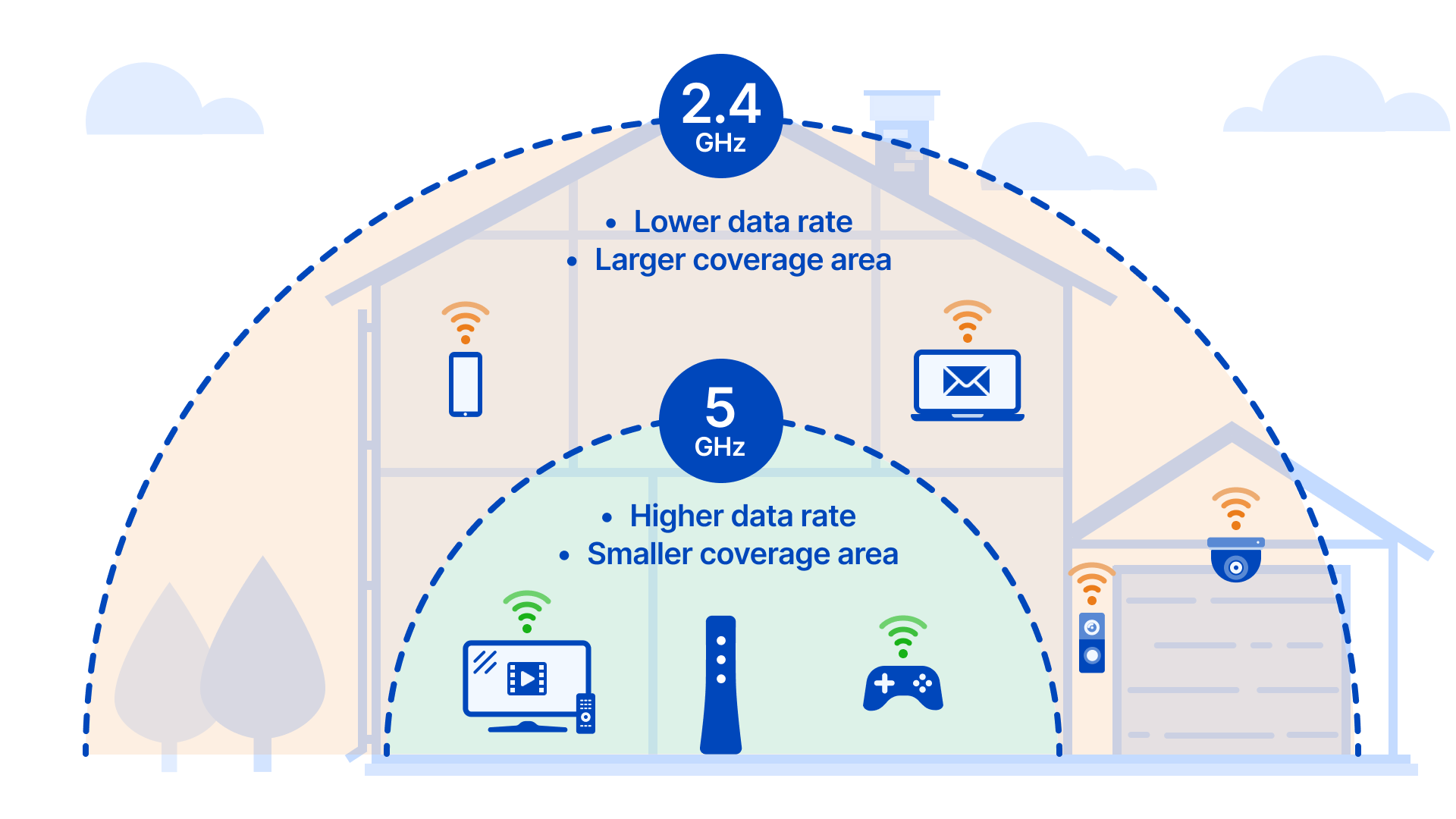
“Offline” status almost always means Wi-Fi misconfiguration. First, confirm your router broadcasts a dedicated 2.4GHz network—Narpult locks cannot connect to 5GHz bands. Separate your SSIDs if using dual-band routers. Next, check signal strength: the lock requires minimum -70dBm. Install a range extender if your router sits farther than 30 feet from the door. Disable MAC filtering or add your lock’s MAC address (found in App > Device Info) to your router’s allowed devices list. Finally, ensure your router uses WPA2 security—WEP and enterprise networks aren’t supported.
Shows Offline in App
95% of “offline” locks are mistakenly connected to 5GHz networks. Reboot your router, then force your phone to connect to the 2.4GHz network before re-pairing the lock.
Stop Battery Drain Issues Now

Batteries dying in 2-3 months instead of 8-12? Address these root causes immediately. First, check Wi-Fi signal strength—poor connections cause constant reconnection attempts that drain batteries 3x faster. Install a range extender if needed. Use only name-brand alkaline batteries (Duracell Coppertop recommended); carbon-zinc and NiMH variants fail prematurely in high-drain smart locks. In extreme temperatures (below 40°F or above 80°F), store spare batteries indoors. For high-traffic doors (100+ operations daily), switch to lithium AAs for extended performance.
Batteries Lasting 1-2 Months
This signals Wi-Fi connectivity strain. Measure your signal strength using a Wi-Fi analyzer app—values below -75dBm require immediate router repositioning or an extender.
Repair Manual Key Override Safely
Never force a stuck key—this can break it inside the lock. First, spray compressed air into the keyhole to dislodge debris, then apply graphite lubricant only (oil-based products attract dust). Compare your key to a backup—if edges appear worn or bent, replace it immediately. Ensure your door is fully closed before turning the key; partial closure jams the deadbolt. If the key still sticks, loosen the interior mounting screws slightly and realign the assembly—misalignment causes cylinder binding.
Key Feels Stuck
Stop turning immediately. Check door alignment by closing it slowly—listen for scraping sounds indicating frame interference. Adjust the strike plate position before attempting key operation again.
Advanced Reset Procedures That Work
Factory Reset Steps
Warning: Erases ALL users, codes, and settings permanently. Remove batteries, press the recessed reset button for 10 seconds, reinstall batteries, and listen for three confirmation beeps. Re-add the lock to your app and reconfigure from scratch—this resolves 90% of unresponsive lock scenarios.
Firmware Recovery Mode
Use when updates fail: Remove batteries for 30 seconds, reinstall while holding the interior program button until red/green LED flashes. Connect via app’s “Firmware Recovery” option—never interrupt power during the 5-10 minute process.
Prevent Future Problems Proactively
Monthly Checklist
- Clean fingerprint sensor with alcohol wipe
- Test all access methods (app, keypad, key, fingerprint)
- Check Wi-Fi signal strength in app
- Clean keypad with damp microfiber cloth
- Verify door alignment by closing slowly
LED Flash Patterns Guide
Decode critical warnings instantly: 1 red flash = low battery; 2 red = invalid code; 3 red = door sensor error; 4 red = motor obstruction; 5 red = system error requiring reset. Green flashes indicate successful operations.
Get Professional Support Efficiently
When DIY fixes fail, streamline support by providing: lock serial number (interior edge), app/OS versions, purchase details, and observed LED patterns. Contact via 1-800-NARPULT (1-800-627-7585) or live chat (8am-8pm EST weekdays). Remember: 2-year warranty covers electronics, 5 years covers mechanical parts—batteries and physical damage aren’t covered.
Key Takeaway: 85% of narpult smart lock troubleshooting starts with battery replacement and Wi-Fi signal checks. Implement the monthly maintenance checklist to prevent 90% of common issues. Your lock should deliver 5+ years of reliable service when you address alignment problems early and use name-brand alkaline batteries exclusively—never mix old and new cells. When in doubt, consult the LED flash patterns before attempting complex resets.