When concerns about “Schlage smart lock hack” incidents surface online, homeowners naturally feel anxious about their home security. Recent headlines suggesting smart locks can be easily compromised create understandable worry—after all, these devices control access to your most personal space. However, determining actual risks requires verified information, not speculation or fear-based reporting.
This guide addresses what we know—and more importantly, what we don’t know—about Schlage smart lock security based solely on available information. You’ll learn why credible security assessments require verified data, how to evaluate security claims responsibly, and practical steps to maintain home security regardless of unverified hacking rumors.
Why Verified Information Matters for Smart Lock Security
Security discussions about smart home devices require factual accuracy because misinformation can lead to poor decisions. When evaluating claims about “Schlage smart lock hack” vulnerabilities, understanding the source of information is critical. Reputable security research follows specific protocols: identifying vulnerabilities, responsibly disclosing findings to manufacturers, and verifying exploits through controlled testing.
Without access to verified technical details, security discussions become speculation rather than informed analysis. The absence of documented vulnerabilities in official channels often indicates stronger security rather than hidden threats. Manufacturers like Schlage typically address confirmed vulnerabilities through firmware updates and public security bulletins.
How Security Research Actually Works
Responsible Disclosure Process:
– Security researchers identify potential vulnerabilities
– They contact manufacturers privately with technical details
– Manufacturers verify and develop fixes before public disclosure
– Coordinated announcement occurs once patches are available
Red Flags in Unverified Claims:
– Vague descriptions without technical specifics
– Claims lacking proof-of-concept demonstrations
– Videos showing “hacking” without explaining methodology
– Sources that profit from fear-based content
Official Security Resources to Trust
When evaluating smart lock security, prioritize information from:
– Schlage’s official security advisories and support channels
– CISA (Cybersecurity and Infrastructure Security Agency) bulletins
– Reputable security research institutions like MITRE
– Independent security certifications from recognized labs
Evaluating “Schlage Smart Lock Hack” Claims Responsibly
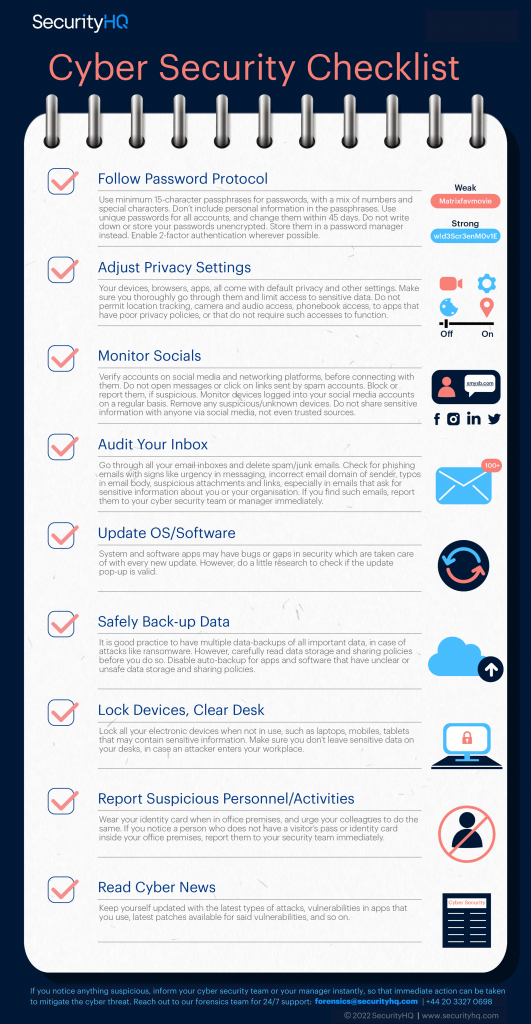
Many online discussions about smart lock vulnerabilities lack technical substance. Understanding how to assess these claims helps you separate legitimate concerns from baseless speculation. The absence of documented exploits in reliable sources suggests certain claims may be exaggerated or entirely fabricated.
Questions to Ask About Hacking Claims
Technical Specificity Check:
– Does the claim specify the exact lock model and firmware version?
– What specific protocol or component is allegedly vulnerable?
– How does the purported hack bypass existing security measures?
– Has the vulnerability been replicated by independent researchers?
Source Credibility Assessment:
– Is the information from Schlage’s official communications?
– Does the source have documented expertise in security research?
– Are technical details provided that experts could verify?
– Does the claim acknowledge limitations or specific conditions required?
Common Patterns in Unverified Hacking Reports
Many viral “smart lock hack” stories follow predictable patterns that undermine their credibility:
– Demonstrations without context: Showing a lock opening without explaining how access was initially gained
– Theoretical vulnerabilities presented as practical threats: Discussing edge cases that require improbable conditions
– Confusing convenience features with security flaws: Mistaking reset procedures for hacking methods
– Lack of reproducibility: Claims that cannot be independently verified by security professionals
Practical Security Steps Based on Verified Knowledge
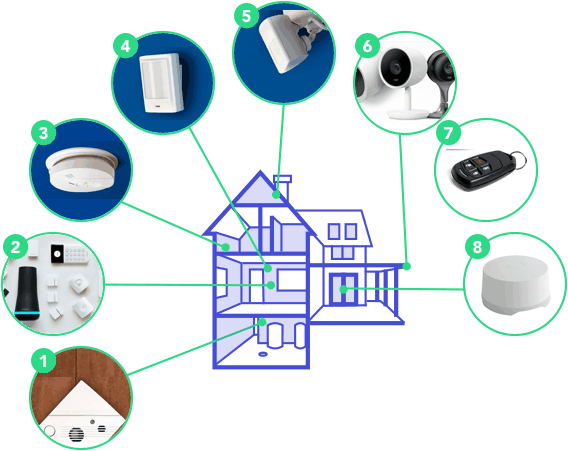
While specific vulnerability information may be unavailable, fundamental security principles apply to all connected devices. These evidence-based practices strengthen your home security regardless of unverified hacking claims.
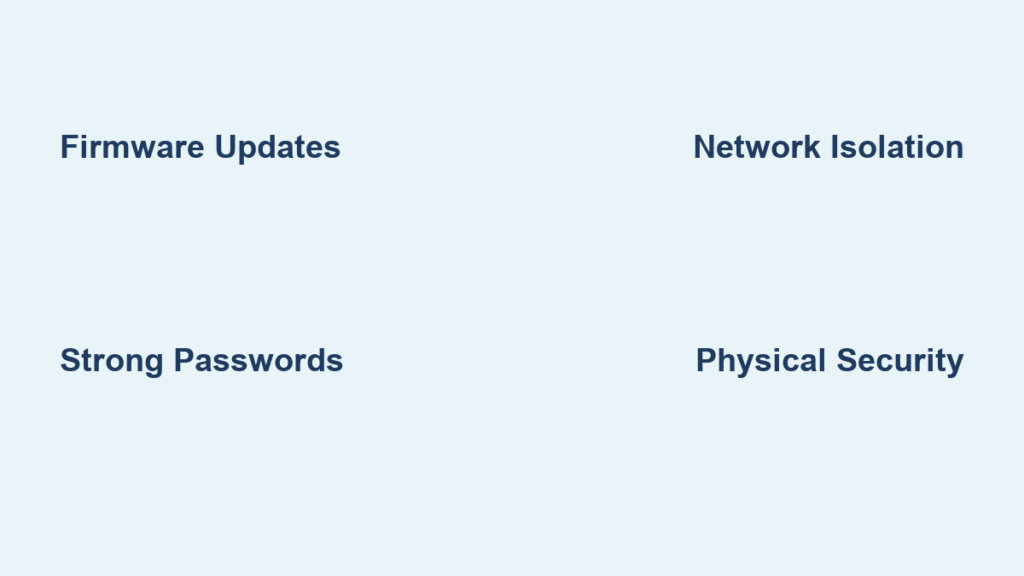
Verified Security Fundamentals
Physical Security Integration:
– Smart locks function best as part of a layered security approach
– Maintain traditional mechanical security features as backup
– Ensure proper installation to prevent physical bypass methods
– Combine with secondary security measures like cameras or alarms
Network Security Best Practices:
– Isolate smart home devices on a separate network
– Regularly update router firmware and change default credentials
– Use strong, unique passwords for all connected accounts
– Enable automatic updates where available
Manufacturer-Recommended Security Measures
Though specific vulnerability details aren’t available, Schlage and other reputable manufacturers consistently recommend:
– Regular firmware updates to address potential issues
– Using strong, unique access codes rather than default settings
– Monitoring activity logs for unusual access patterns
– Following proper installation procedures to maintain security integrity
Recognizing and Avoiding Security Misinformation
The smart home security space contains significant misinformation that can lead to unnecessary anxiety or poor security decisions. Developing media literacy around security topics helps you make informed choices without falling for fear-based marketing.
Red Flags in Security Content
Exaggerated Threat Claims:
– “Your smart lock can be hacked in seconds!”
– “Every Schlage lock has this dangerous flaw”
– “Criminals are using this method right now”
Lack of Technical Detail:
– No explanation of how the alleged hack works
– Missing specific model numbers or firmware versions
– Absence of reproduction steps for verification
– Vague references to “security experts” without credentials
Reliable Information Sources
For accurate smart home security information, consult:
– Manufacturer security advisories and support documentation
– Government cybersecurity resources like CISA’s alerts
– Academic security research published in peer-reviewed venues
– Reputable technology publications with dedicated security teams
What to Do When Information Is Unavailable

The absence of documented vulnerabilities is generally positive news for security, but requires careful interpretation. Understanding how to proceed when specific information isn’t available helps maintain appropriate security posture without unnecessary fear.
Responsible Response to Unverified Claims
Wait for Official Confirmation:
– Monitor Schlage’s official communications for security updates
– Check CISA and other trusted security channels
– Allow time for researchers to verify claims through proper channels
Focus on Fundamentals:
– Maintain strong network security practices
– Keep all devices updated with latest firmware
– Use physical security measures as part of layered defense
– Practice good password hygiene for all connected accounts
When to Take Action
Take security concerns seriously when:
– Official security advisories confirm vulnerabilities
– Multiple independent researchers verify the same issue
– You observe unusual behavior in your specific devices
– Manufacturer provides specific mitigation instructions
Summary: Maintaining Smart Lock Security Without Hype
The lack of verified information about “Schlage smart lock hack” vulnerabilities is actually reassuring—it suggests no significant, widely applicable exploits exist. Security through obscurity isn’t reliable, but the absence of documented vulnerabilities in reputable channels typically indicates robust security rather than hidden threats.
Your strongest security approach combines verified best practices with healthy skepticism toward viral security claims. Focus on fundamental security hygiene: keep devices updated, use strong unique passwords, maintain physical security layers, and get information from trusted sources. These measures address the vast majority of real-world security concerns regardless of unverified hacking rumors.
Remember that no security system is perfect, but modern smart locks undergo rigorous testing and often provide more security features than traditional locks when properly maintained. The convenience of smart technology doesn’t have to come at the expense of security—especially when you base your decisions on verified information rather than speculation.
For the most current information about your specific Schlage model, consult official Schlage support channels rather than unverified online claims. They can provide accurate details about your lock’s security features and any relevant updates for your specific model and firmware version.